Last updated: October 31, 2025
Quick Answer
The Blue Fawn Merle French Bulldog combines a fawn-colored base coat with blue patches, creating a striking, mottled appearance. While visually unique, this color variant is not widely accepted by breed registries, and prospective owners should be aware of potential ethical concerns related to breeding non-standard colors.
Key Takeaways
- The Blue Fawn Merle French Bulldog has a distinctive fawn base with blue patches and the Merle pattern.
- Not recognized by the AKC or FCI due to breed standard requirements, with some registries viewing it as undesirable.
- Ethical concerns arise when breeding this color combination due to potential health risks linked to the Merle gene.
- Proper identification is crucial, as the Blue Fawn Merle is often confused with other similar color variations.
- Grooming needs are the same as other French Bulldogs, with minimal brushing required.
Visual ID Guide
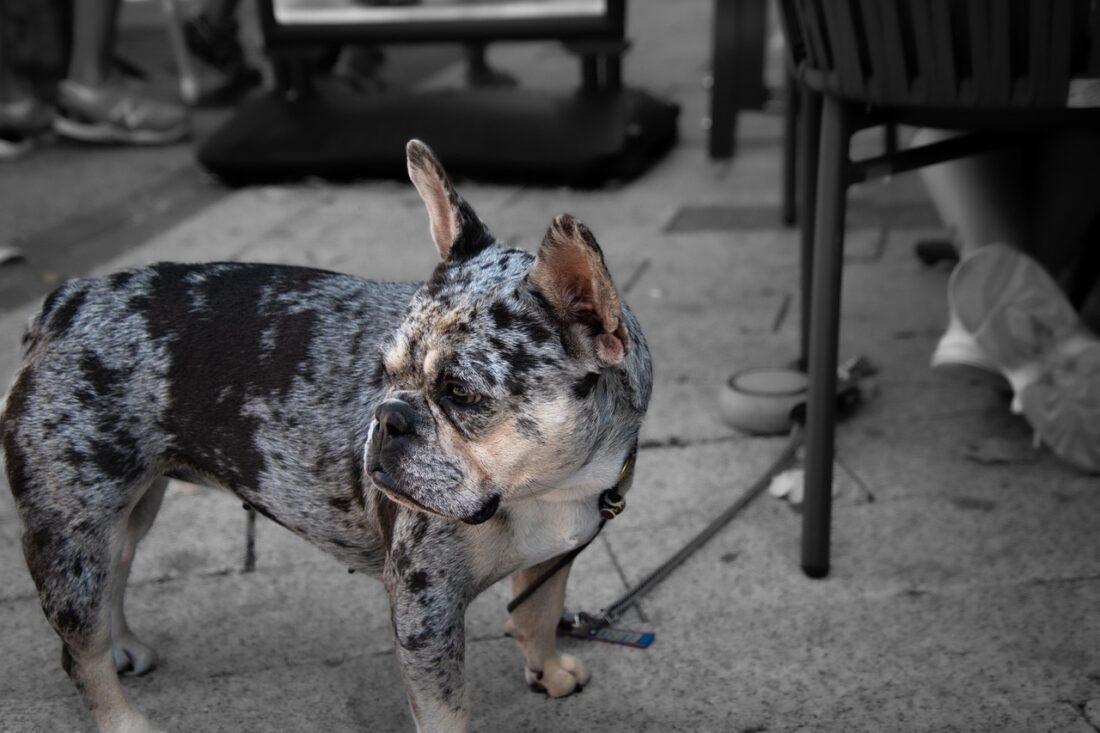
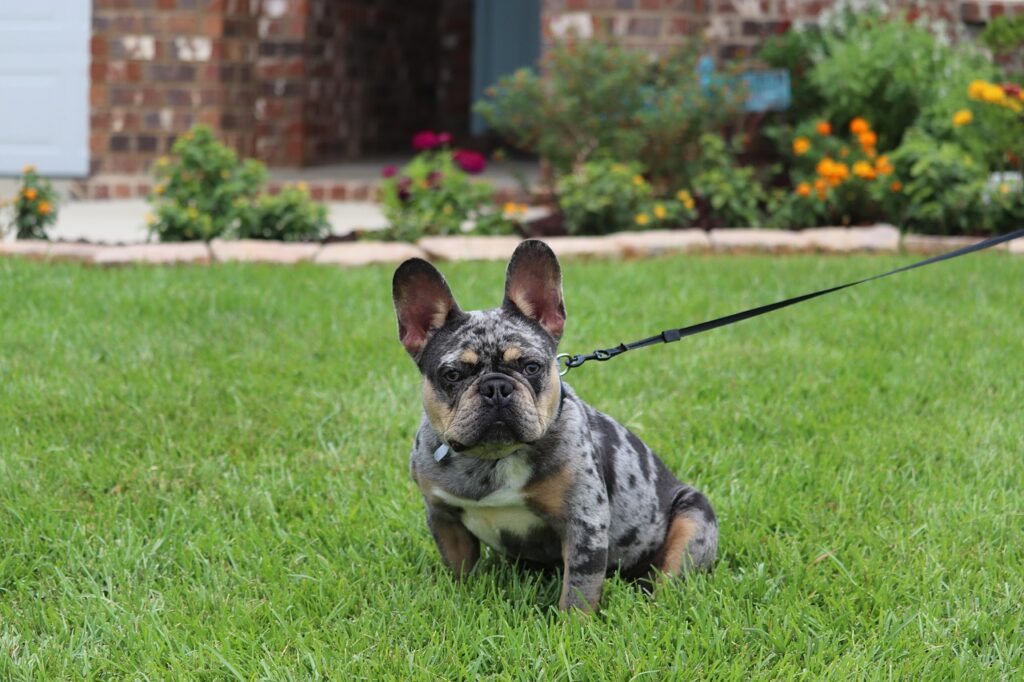
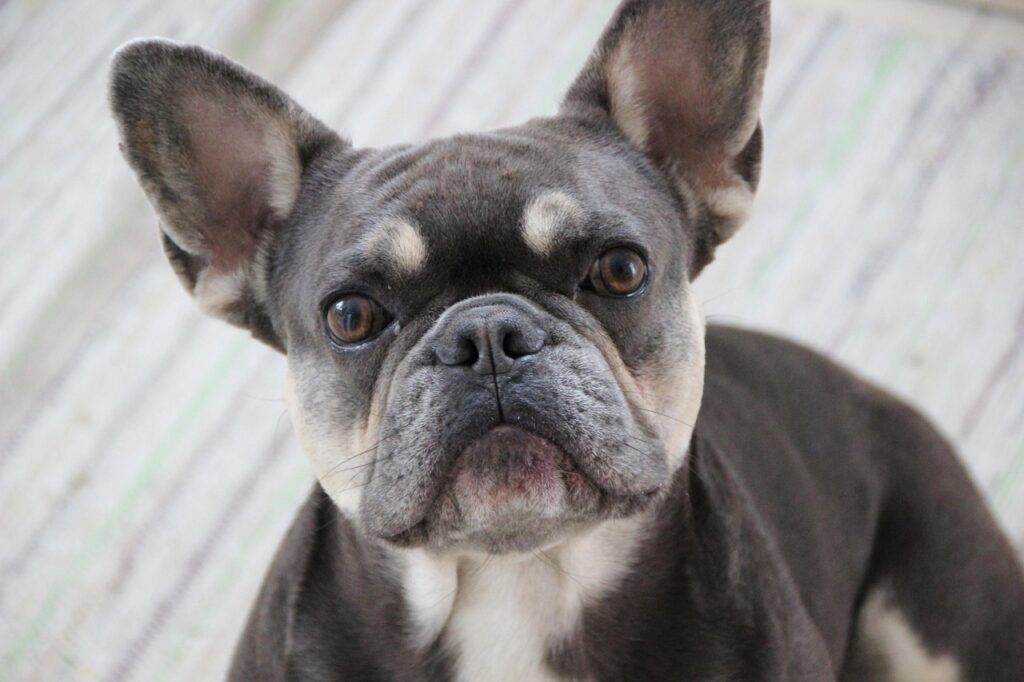
The Blue Fawn Merle French Bulldog stands out due to its unique color pattern. This rare variant blends a fawn-colored base coat with blue patches, which are caused by the Merle gene. The patches are irregular, resulting in a mottled look that gives the dog its distinctive appearance.
Shade & Pigment
- The coat is primarily fawn, but the blue Merle spots appear irregularly across the body, creating a patchwork effect.
- Nose: The nose is typically black, though some Blue Fawn Merles may exhibit a blueish tint.
- Eyes: Many Blue Fawn Merle French Bulldogs have blue eyes, although some may have light brown or amber eyes depending on the individual.
- Coat Uniformity/Overlay: The Merle pattern results in patches of blue dispersed throughout the coat, making each dog’s appearance slightly unique.
Photo Checklist:
- Lighting: Good lighting is essential to capture the true beauty of a Blue Fawn Merle’s coat. Natural light works best to highlight the subtle blue patches.
- Close-up Shots: Close-up shots can help show the irregularity of the blue patches and the fawn coat underneath. Make sure to focus on the face and back to showcase the color variations.
- Neutral Background: A neutral background helps to bring out the contrast between the blue and fawn colors in the coat.
Standards Snapshot
When it comes to breed standards, the Blue Fawn Merle French Bulldog has a complicated history. Not all breed registries accept this color combination, and it is often not recognized for show purposes.
Registry Acceptance
- American Kennel Club (AKC): The AKC does not recognize the Merle pattern at all in French Bulldogs. This means that a Blue Fawn Merle is not considered an acceptable color for AKC-registered dogs, and it may be disqualified from being shown.
- The Kennel Club (UK): The UK Kennel Club acknowledges the Blue Fawn Merle color but considers it undesirable. Although not outright disqualified, breeders are generally discouraged from focusing on this color combination due to its rarity and potential health concerns.
- Fédération Cynalogique Internationale (FCI): Similar to the AKC, the FCI does not accept Merle colors in French Bulldogs, as it falls outside their official breed standard. The FCI emphasizes breed purity, and any deviation from standard colors like Merle is discouraged.
| Registry | Accepted Wording | Notes |
|---|---|---|
| AKC | Not recognized | Disqualifies Merle colors for French Bulldogs. |
| The Kennel Club | Undesirable, not disqualified | Recognizes Blue Fawn Merle but discourages breeding. |
| FCI | Not recognized | Emphasizes breed purity, no Merle accepted. |
Ethical Considerations in Buying or Adopting a Blue Fawn Merle French Bulldog
The Blue Fawn Merle French Bulldog is a unique color combination, but its popularity has raised some ethical questions. As with any breed or color variant, it’s important to be informed and cautious when purchasing or adopting a French Bulldog.
1. Verify Pedigree and Registration
It is essential to verify the dog’s pedigree and registration to ensure that the breeder is adhering to breed standards. Check that the dog is properly registered with a reputable registry such as the AKC, The Kennel Club (UK), or other recognized bodies. Since Merle colors are not accepted by all registries, it’s also a good idea to check with breeders about their stance on color genetics.
2. Ask for Health Clearances
Ensure that the breeder provides relevant health clearances for the dog. The Merle gene can sometimes result in genetic health issues, so asking for a health check should be standard practice. While the Blue Fawn Merle color itself may not directly affect the dog’s health, Merle color patterns are linked to various potential genetic issues.
3. Reputable Breeders and Rescues
Choosing a reputable breeder or rescue is crucial. It’s important to consider the ethics behind the breeding of non-standard colors. Not all breeders prioritize the well-being of the dog when focusing on rare colors. It’s best to choose breeders or organizations that adhere to breed standards and put health and temperament first. For adoption, consider French Bulldog rescue organizations that prioritize responsible breeding and healthy dogs.
Light Care Basics
Caring for a Blue Fawn Merle French Bulldog is similar to caring for any other French Bulldog, despite the unique color combination. French Bulldogs, including the Blue Fawn Merle, are generally low-maintenance when it comes to grooming.
Grooming Needs
French Bulldogs have short coats, and while they do shed, it’s typically minimal. Brushing your Blue Fawn Merle once a week will keep their coat looking shiny and healthy. During shedding seasons, you may need to brush more often to keep hair from accumulating around your home.
Environment
These dogs are better suited for moderate climates. They can suffer from heat intolerance due to their short snouts and compact bodies, so it’s important to avoid overheating them during hot weather. A climate-controlled environment is ideal for their comfort.
General Care
- Exercise: While French Bulldogs aren’t as high-energy as some breeds, they still need daily walks and playtime. Keep activities moderate and avoid strenuous exercise, especially in hot weather.
- Socialization: French Bulldogs are known for being affectionate and social, so they thrive in environments where they get regular human interaction and time with other pets.
FAQs
How can I tell if a French Bulldog is a Blue Fawn Merle?
The Blue Fawn Merle French Bulldog has a fawn-colored coat with irregular blue patches scattered throughout. These blue patches are caused by the Merle gene, creating a mottled look. Their eyes may also be lighter in color, sometimes blue.
Why is the Blue Fawn Merle French Bulldog not accepted by the AKC?
The AKC does not accept the Merle color pattern as part of the official breed standard for French Bulldogs. As a result, Blue Fawn Merle French Bulldogs may be disqualified from competitions or shows.
Are Blue Fawn Merles prone to any health problems?
While the Merle gene itself doesn’t necessarily cause health issues, it is associated with potential genetic risks, including hearing or vision problems. Always ask breeders for health clearances before adopting a dog with non-standard colors.
Are Blue Fawn Merle French Bulldogs rare?
Yes, Blue Fawn Merles are considered rare. This is due to the specific genetic combination required to produce the color pattern, and because many breed registries do not accept Merle, it makes these dogs even more difficult to find.
Can Blue Fawn Merles be shown in dog shows?
No, Blue Fawn Merle French Bulldogs are not accepted in AKC-sanctioned shows due to their Merle color pattern, which falls outside the breed’s standards.
What should I consider when adopting a Blue Fawn Merle French Bulldog?
When adopting a Blue Fawn Merle French Bulldog, make sure to ask the breeder for pedigree documentation, health clearances, and confirmation that they prioritize breed standards. Ethical breeding practices should be a top priority.
Sources
- American Kennel Club (AKC): https://www.akc.org/
- The Kennel Club (UK): https://www.thekennelclub.org.uk/
- French Bulldog Club of America (FBDCA): https://www.frenchbulldogclub.org/
- UC Davis Veterinary Genetics Laboratory (VGL): https://www.vgl.ucdavis.edu/services/dogcolor.php