
Last updated: October 28, 2025
Quick Answer:
Blue Merle French Bulldogs are known for their striking marbled coat, a mix of blue or gray with black patches. However, this coat color is not recognized by all breed registries. While it’s visually unique, it raises ethical concerns about breeding practices and its recognition within official standards.
Key Takeaways
- Visual markers: Blue Merle French Bulldogs have a mottled coat with patches of blue, gray, and black.
- Registry acceptance: Not recognized by the AKC, The Kennel Club (UK), or the FCI, making it a controversial choice for some breeders and buyers.
- Ethical concerns: Ethical issues around breeding for non-standard colors, which may prioritize appearance over health.
- Identification tips: Look for irregular, marbled patterns with darker spots and diluted areas on the coat.
- Adoption tips: Verify paperwork and breeder ethics; consider adopting from breed-specific rescues.
What Is a Blue Merle French Bulldog?
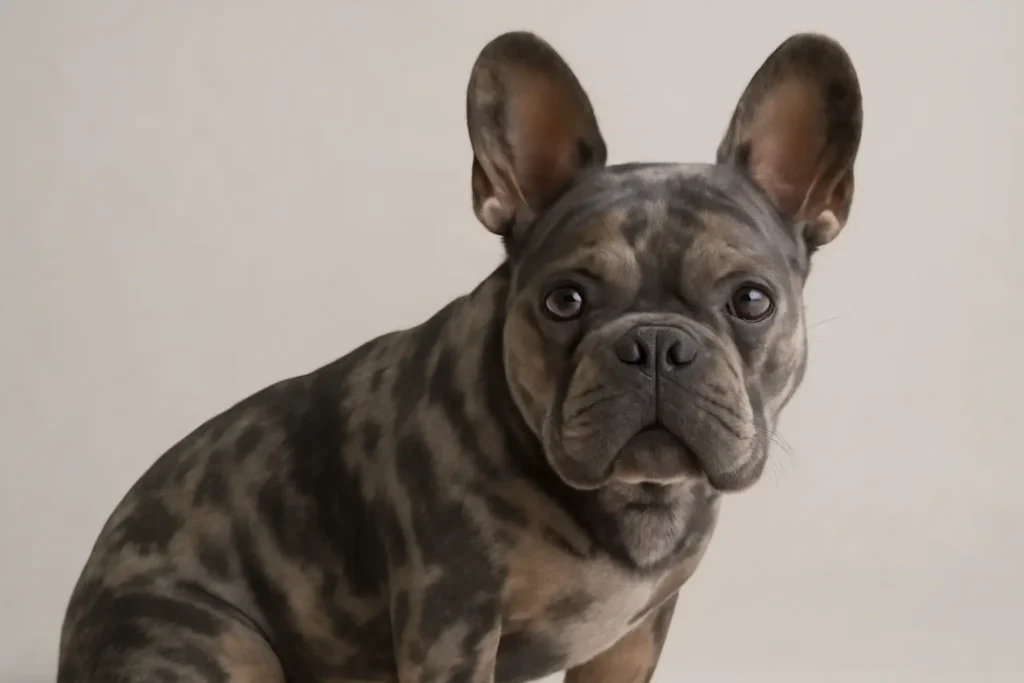
The Blue Merle French Bulldog stands out for its stunning coat pattern. Unlike other French Bulldogs, which have more uniform colors, Blue Merles feature a marbled or speckled coat of bluish-gray and black. This distinctive coloring is caused by a gene that dilutes the coat’s pigment, creating the characteristic blue or gray patches and darker black spots.
However, while Blue Merles are eye-catching, their coat color is a point of controversy in the dog breeding world. Many official registries, including the American Kennel Club (AKC), The Kennel Club (UK), and the Fédération Cynalogique Internationale (FCI), do not recognize Blue Merle as a standard color for French Bulldogs. This lack of recognition stems from concerns over genetic health and breed integrity.
In this article, we’ll explore what the Blue Merle coat color means, how to identify it, and what you should consider if you’re thinking about adopting or buying one.
Visual ID Guide
One of the most distinctive features of a Blue Merle French Bulldog is its marbled coat. If you’re unsure whether a French Bulldog is Blue Merle, these visual cues can help:
Shade & Pigment
The Blue Merle French Bulldog’s coat is a mix of blue/gray and black. The exact shade can vary, but the pattern remains marbled or mottled, with irregular patches of these two colors. Eyes may also appear lighter due to the dilution effect of the gene, but this is not always the case.
Mask Presence
Some Blue Merles may have a faint mask around their eyes, while others might not. This feature is more common in other breeds with merle coloring, but it can appear in some Blue Merle French Bulldogs as well.
Coat Uniformity
The Blue Merle French Bulldog’s coat is uneven, with patches of color spread across the body. The irregularity of the coat’s appearance is one of the key markers of Blue Merle coloring.
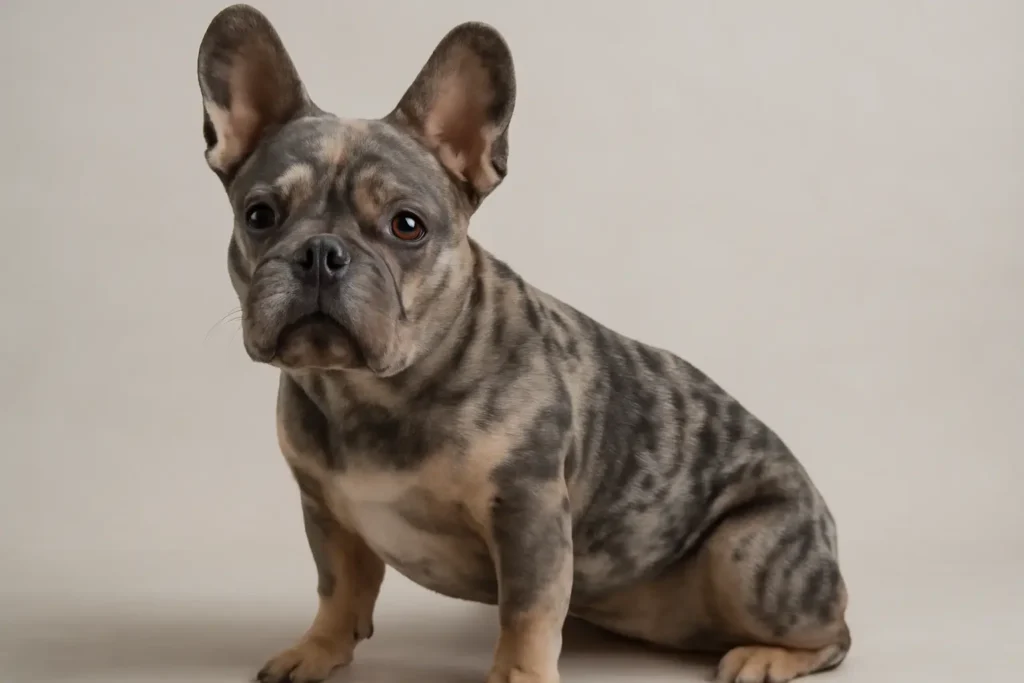
Photo ID Tips
When identifying a Blue Merle French Bulldog in photos, make sure the lighting is clear and even. The marbled coat should be visible, with the blue/gray and black patches standing out. Avoid busy or distracting backgrounds to help highlight the coat’s unique coloring. A close-up shot of the dog’s body or face is ideal for showing off the coat pattern.
Standards Snapshot
When it comes to breed standards, Blue Merle French Bulldogs do not meet the guidelines of many prestigious dog registries. This is an important point for prospective owners to consider when buying or adopting a Blue Merle French Bulldog.
| Registry | Accepted Wording | Notes |
|---|---|---|
| AKC | Not recognized | Blue Merle is not an official color according to AKC standards. |
| The Kennel Club (UK) | Less desirable | The UK registry discourages the use of non-standard colors like Blue Merle. |
| FCI | Not accepted | FCI does not recognize Blue Merle as a standard color for French Bulldogs. |
This lack of recognition by major breed registries means that Blue Merles are not eligible for top-tier competitions in some countries, including the United States and the United Kingdom. If you’re interested in showing or breeding French Bulldogs, this is an important factor to consider.
Buying & Adoption Tips
When it comes to adopting or buying a Blue Merle French Bulldog, there are a few important ethical considerations:
- Verify Registration
Always ask for the dog’s pedigree and check if the breeder is registered with a reputable registry, like the AKC, The Kennel Club, or FCI. Make sure the breeder is transparent about the dog’s lineage and color, especially if the Blue Merle coat is a deciding factor for you. - Avoid Color-Only Decisions
While Blue Merles are visually stunning, it’s important not to prioritize coat color over the dog’s health and temperament. Non-standard colors, such as Blue Merle, are sometimes associated with unethical breeding practices, which can lead to health issues. Choose a dog based on its overall health and behavior, not just its appearance. - Work with Reputable Breeders
Look for breeders who prioritize health, genetic testing, and breed integrity over appearance. A reputable breeder will ensure the dog is healthy and meets the breed standard, even if its coat color is non-standard. - Consider Adoption
If you’re open to adoption, many breed-specific rescues and shelters may have French Bulldogs, including Blue Merles, looking for loving homes. Adopting from a rescue ensures you are providing a home to a dog in need, and rescues usually prioritize the health and well-being of the dogs they rehome.
Light Care Basics
Blue Merle French Bulldogs are not significantly different in terms of care needs compared to other French Bulldogs. Here are the basic grooming and care tips to keep in mind:
- Grooming Frequency: Blue Merles have short, fine coats that require minimal grooming. Regular brushing will help reduce shedding and keep the coat healthy, but it won’t need the frequent grooming that long-haired breeds might require.
- Coat Care: The Blue Merle coat is not more difficult to care for than other French Bulldog colors. It may require occasional cleaning to prevent tangling or matting, especially around the areas where the colors meet.
- Shedding: Like most French Bulldogs, Blue Merles shed moderately. Regular brushing can help control this, though some shedding is inevitable.
- General Environment Comfort: French Bulldogs, including Blue Merles, are prone to heat sensitivity. Keep them cool during warmer weather, as they can overheat easily. They also thrive in moderate climates and should be kept indoors during extreme temperatures.
FAQs
What does Blue Merle mean in a French Bulldog?
Blue Merle is a coat color pattern characterized by a mix of blue, gray, and black patches. It’s caused by a dilution gene and is rare in French Bulldogs.
Why are Blue Merle French Bulldogs controversial?
Blue Merle coloring is not recognized by many breed registries, including the AKC, due to concerns about breeding practices and the health of the dogs.
Can I show a Blue Merle French Bulldog?
Since Blue Merle is not recognized by the AKC, The Kennel Club (UK), or FCI, Blue Merles are not eligible for top-tier competitions governed by these organizations.
Are Blue Merle French Bulldogs rare?
Yes, Blue Merles are rare due to the unique genetic combination required to produce the marbled coat color.
Do Blue Merle French Bulldogs have health problems?
While the color itself does not cause health issues, Blue Merles are sometimes bred irresponsibly, which can lead to health concerns. Always choose breeders who prioritize health over appearance.